
Poison Oak Removal in Wilmington, DE
Poison oak removal services focus on safely eliminating this invasive plant from residential properties to reduce health risks and improve outdoor safety. These services typically address a variety of projects, including clearing overgrown areas, maintaining landscaped yards, and managing brush or wooded sections where poison oak may thrive. Property owners often seek removal to protect children, pets, and themselves from exposure, especially in areas where outdoor activities or gardening are common.
Before requesting poison oak removal, property owners should consider the extent of the infestation, the location of the plants in relation to recreational spaces, and any nearby structures or valuable landscaping. Understanding the size of the affected area and the presence of other vegetation can help determine the appropriate approach. Proper removal often requires careful handling to prevent spreading plant material and to minimize exposure to skin or respiratory irritants.
Many property owners in Wilmington, DE look into Poison Oak Removal for repairs, replacements, upgrades, and appearance-related improvements.

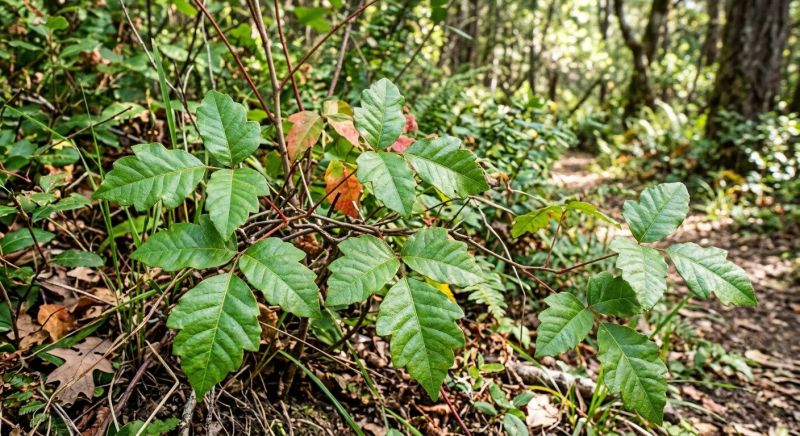
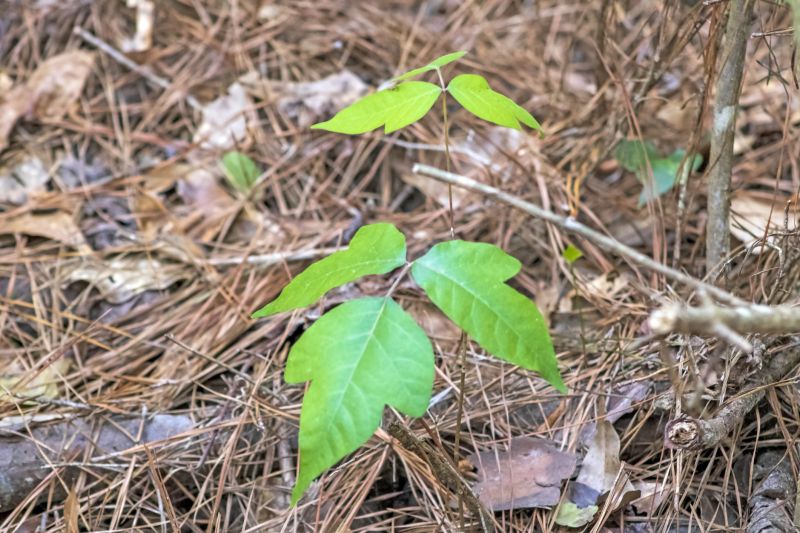
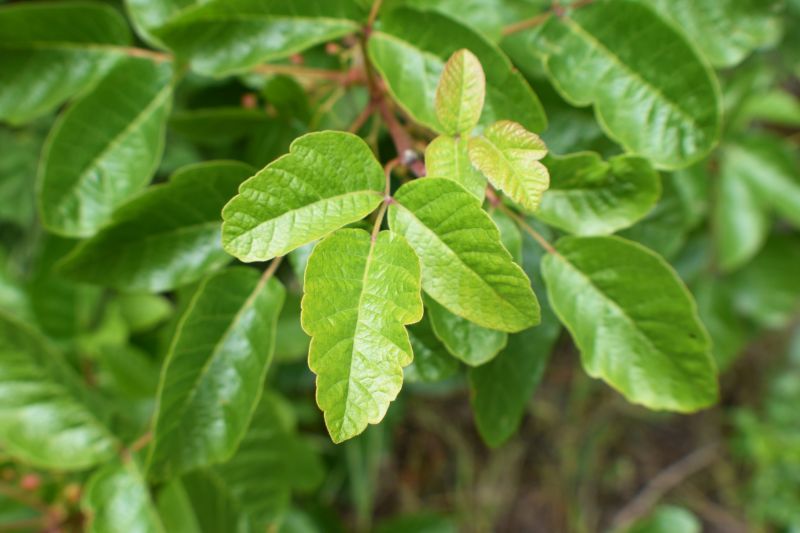
Poison Oak Identification
Recognizing poison oak is essential for safe removal and prevention on residential and commercial properties.
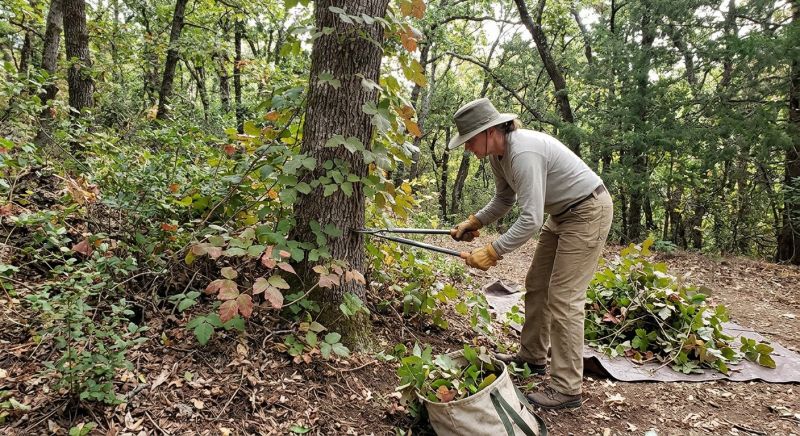
Safety And Removal Techniques
Proper removal methods help protect property owners and prevent the spread of poison oak in wilmington neighborhoods.
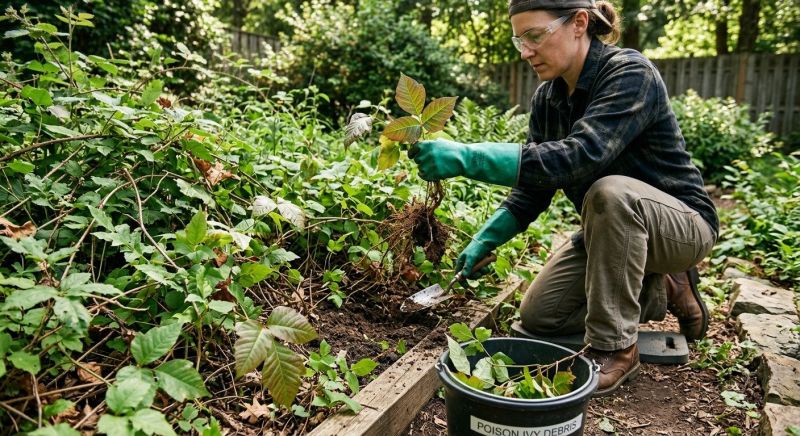
Property Maintenance Tips
Regular clearing of poison oak can reduce health risks and improve the safety of outdoor spaces for families and visitors.
Poison Oak Removal in Wilmington, DE

Poison oak removal services focus on safely eliminating this invasive plant from residential properties to reduce health risks and improve outdoor safety. These services typically address a variety of projects, including clearing overgrown areas, maintaining landscaped yards, and managing brush or wooded sections where poison oak may thrive. Property owners often seek removal to protect children, pets, and themselves from exposure, especially in areas where outdoor activities or gardening are common.
Before requesting poison oak removal, property owners should consider the extent of the infestation, the location of the plants in relation to recreational spaces, and any nearby structures or valuable landscaping. Understanding the size of the affected area and the presence of other vegetation can help determine the appropriate approach. Proper removal often requires careful handling to prevent spreading plant material and to minimize exposure to skin or respiratory irritants.
Many property owners in Wilmington, DE look into Poison Oak Removal for repairs, replacements, upgrades, and appearance-related improvements.
Common Poison Oak Removal Jobs
Poison Oak Removal - clearing overgrown areas to eliminate toxic plants safely.
Yard Clearing - removing poison oak from lawns, gardens, and landscape beds.
Property Maintenance - ongoing removal to prevent poison oak from regrowing.
Brush and Thicket Removal - clearing dense vegetation that may harbor poison oak.
Trail and Pathway Clearing - ensuring safe access by removing poison oak along walkways.
Landscaping Cleanup - integrating poison oak removal into regular yard and garden care.
Poison Oak Removal Questions
What is poison oak removal? Poison oak removal involves safely eliminating this plant to prevent skin irritation and allergic reactions on properties.
When should poison oak be removed? Removal is recommended when poison oak is actively growing or poses a risk to people and pets in the area.
What areas are typically treated for poison oak? Common treatment areas include yards, gardens, trails, and other outdoor spaces where the plant is present.
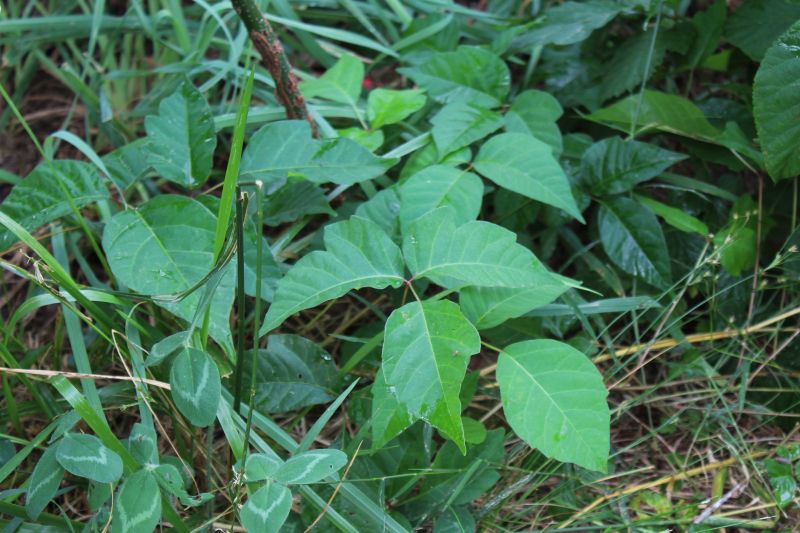
How can property owners identify poison oak? Poison oak has clusters of leaves that resemble oak trees, often with a hairy texture and variable coloration.
Request Poison Oak Removal in Wilmington, DE
Use the quote form on this page to share the basics of your project and request more information for the type of work you need.